
Fire Safety Compliance for Property Managers: What You Need to Know
If you are a property manager, whether it is a commercial or residential property, you are likely very familiar with the large volume of legislation and legal requirements that you must maintain every year. Property managers are responsible for several mandatory aspects of fire safety compliance, including but not limited to:
- Fire risk assessments
- Fire extinguisher servicing
- Fire alarm testing and maintenance
- Smoke and carbon monoxide alarm checks where applicable
- Clear, marked and accessible escape routes
- Fire door inspection and maintenance
- Emergency lighting servicing
- Fire safety signage
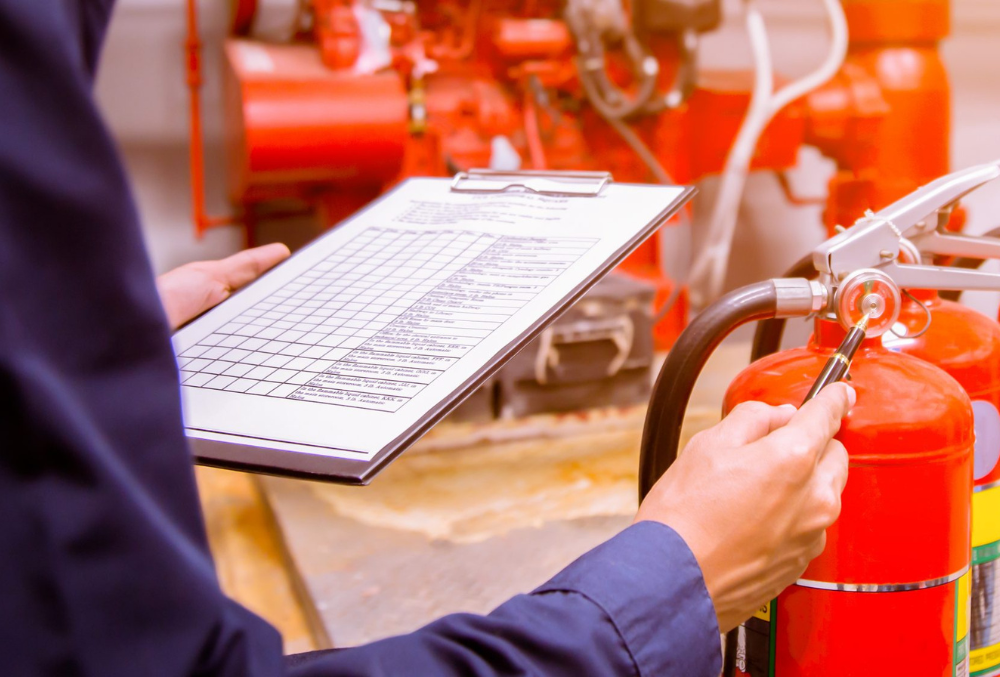
- Fire safety records and compliance documentation
- Ongoing review when buildings, tenants or usage change
This is why we started Absolute Property Surveys: to ensure fire safety remains at the heart of your property or facility to protect the lives and safety of those around you.
In this guide, we will share essential information that every property manager needs to know to properly maintain fire safety compliance.
Why fire safety compliance matters for property managers
Fire safety compliance is about more than having the correct equipment in the right place in your property. Instead, it goes much deeper, ensuring that your space and occupants are managed in a way that actively reduces risk and supports safe evacuation if an emergency happens.
The Regulatory Reform (Fire Safety) Order 2005 places clear duties on the responsible person to provide appropriate fire safety measures. This includes ensuring premises are equipped with appropriate fire-fighting equipment and with fire detectors and alarms where necessary, and reiterates that all fire escape routes should remain clear at all times
But what does this mean for property managers tasked with fire safety compliance?
For a property manager, this can involve coordinating multiple areas of compliance at once. A fire risk assessment may identify an issue with escape routes, emergency lighting, signage, fire doors, alarm coverage, extinguishers or staff procedures. Each item then needs action, evidence and follow-up.
Fire risk assessments for property managers
A fire risk assessment is the foundation of fire safety compliance.
The Regulatory Reform (Fire Safety) Order 2005 states that the ‘Responsible Person’ must organise a Fire Risk Assessment and ensure that it is regularly reviewed to ensure it remains suitable for the property. Although there is no government-mandated review cycle for these reports, industry guidelines define review periods based on property type and use. For example:
- HMO or rented housing: reviewed at a minimum of every 12 months.
- Commercial property: On average, to be reviewed every 3 years.
- Multi-story residential flats or residential high-rises: Due to the volume of dwellings, they are typically surveyed every 12-24 months, and new FRAs are recommended every 3-4 years.
- High-Risk/Licensed Premises: Properties that are deemed as ‘high risk’, such as care facilities with vulnerable occupants, large event venues, or industrial properties with hazardous materials
When the Fire Risk Assessment is carried out, it should consider hazards, people at risk, measures to remove or reduce risk, emergency plans and regular review. For property managers, this is especially important when:
- A building has multiple tenants
- A property has shared or common areas
- The layout or use of the building has changed
- Refurbishment or maintenance work has taken place
- New fire safety equipment has been installed
- There has been a change in occupancy or resident needs
Fire extinguishers and fire-fighting equipment
Property managers need to be aware that their fire safety responsibilities expand far beyond ensuring fire risk assessments and the appropriate records are kept up to date.
For most managed properties, there is also stringent guidance on what equipment should be available to reduce the dangers and impact of fire.
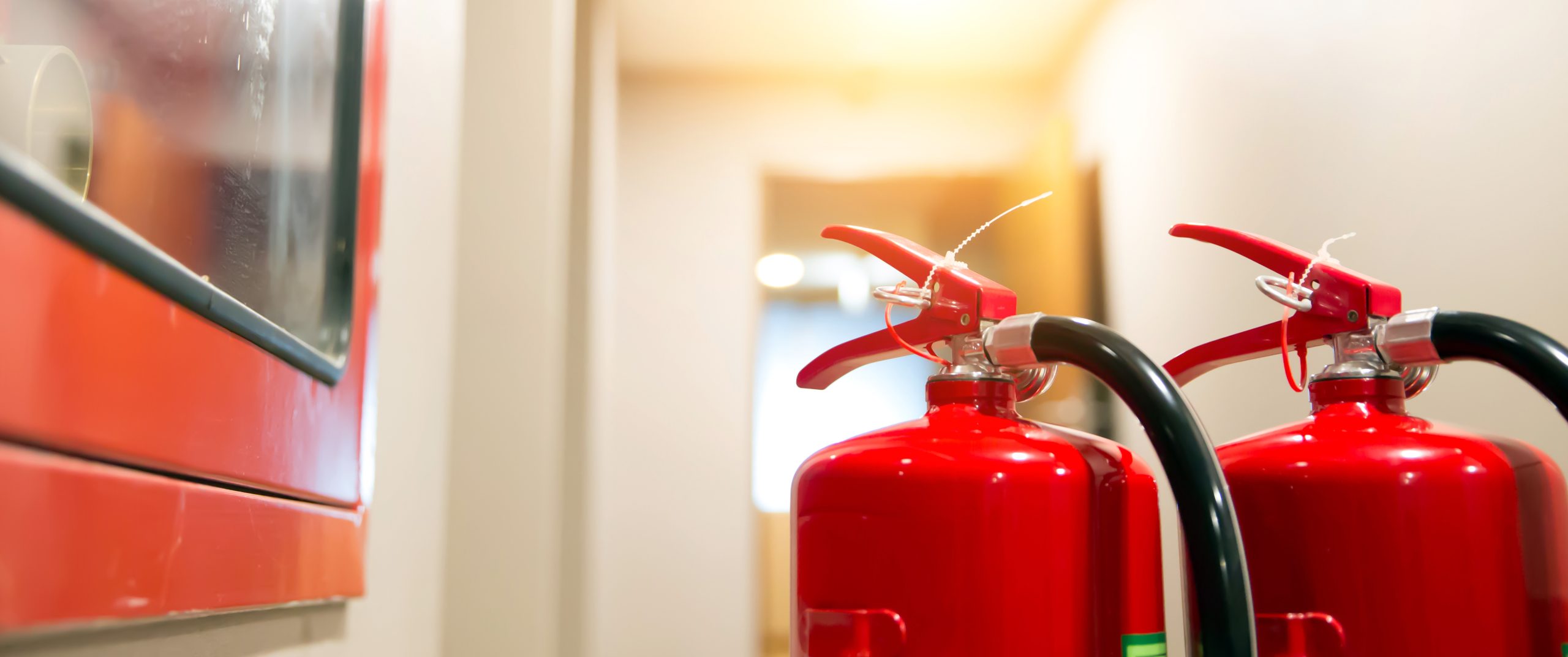
For example, fire extinguishers, blankets and other fire-fighting equipment need to be suitable for the building, accessible, clearly signed and properly maintained.
For industrial and commercial property managers, the appropriate extinguishers should be selected based on the type of fire risk present. For example, different areas may require different extinguisher types depending on electrical equipment, flammable materials, kitchens, plant rooms or general combustible materials.
Absolute Property Surveys are certified and trusted experts in fire safety, offering fire risk assessments, strategy reports, fire alarm systems and other equipment to save lives and ensure regulatory compliance.
If you are a property manager overseeing fire safety in a commercial, industrial or residential property, our team is standing by to provide comprehensive fire services.
Get in touch with us today for a free quote
Fire doors for property managers
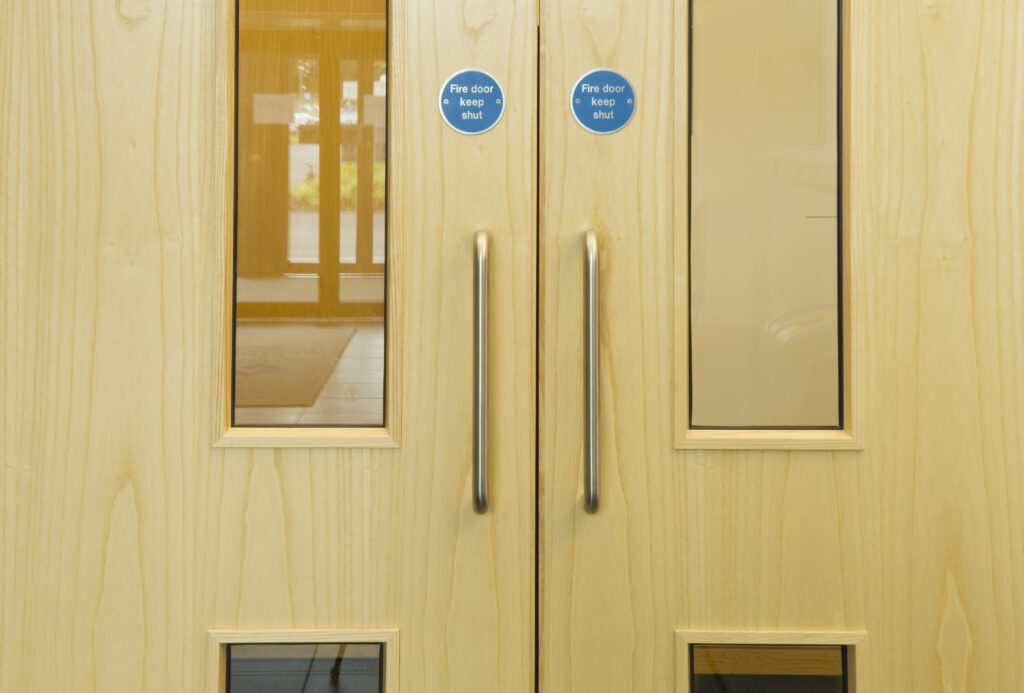
Fire doors are a critical part of a building’s fire safety strategy. They help slow the spread of fire and smoke, protect escape routes and support safe evacuation.
Government fire door guidance says that “fire doors need to be kept in good working order and in good repair”.
For residential blocks, the Fire Safety Act 2021 clarified that the Fire Safety Order applies to the structure, external walls and individual flat entrance doors between domestic premises and common parts.
For multi-occupied residential buildings that are over 11 metres in height, property managers must undertake quarterly checks on all communal fire doors and annual checks on flat entrance doors.
However, it is important to remember that, where those specific height restrictions aren’t met, fire doors should still be considered as a life-saving measure as part of the existing Fire Risk Assessment.
If you are unsure about your property’s requirement for fire door installation or maintenance, reach out to Absolute Property Surveys for professional advice and service.
Fire, Smoke and carbon monoxide alarms
For rented homes in England, guidance states that landlords and/or property managers must ensure at least one smoke alarm is installed on each storey which is used as living accommodation, and a carbon monoxide alarm is installed in any room containing a fixed combustion appliance, excluding gas cookers.
These alarm provisions, testing records and repair processes should be clearly managed by property managers using professional and certified services to ensure reliable fire safety precautions
Emergency lighting and escape routes
Regardless of what type of property is being managed, escape routes are an important factor in fire safety preparations, as these routes must provide a visible and usable path in an emergency. This includes keeping corridors, stairwells and exits clear, making sure signage is suitable, and ensuring emergency lighting works if normal lighting fails.
The Fire Safety Order 2005 states that emergency routes and exits requiring illumination must have emergency lighting of adequate intensity if normal lighting fails.
For property managers, regular emergency lighting servicing is a key part of compliance management. A failed light, blocked corridor or unclear exit route can create serious issues during an emergency.
How Absolute Property Surveys is supporting fire safety for property managers
Fire safety compliance can quickly become difficult to manage, particularly when you are responsible for multiple properties, mixed-use buildings or shared commercial spaces.
Absolute Property Surveys supports property managers, facilities managers and landlords with practical fire safety services designed to help keep buildings safe, compliant and properly documented.
If you are unsure whether your property’s fire safety measures are up to date, or you need support managing compliance across your buildings, speak to Absolute Property Surveys today.

 At Absolute Property Surveys, health and safety is not something we dip in and out of; it is part of how we work every day. Whether we are on site, carrying out surveys, or supporting clients with compliance, doing things properly matters.
 Why are Legionella Risk Assessments Important?