Fire Safety Compliance for Property Managers: What You Need to Know

Fire Safety Compliance for Property Managers: What You Need to Know

If you are a property manager, whether it is a commercial or residential property, you are likely very familiar with the large volume of legislation and legal requirements that you must maintain every year. Property managers are responsible for several mandatory aspects of fire safety compliance, including but not limited to:

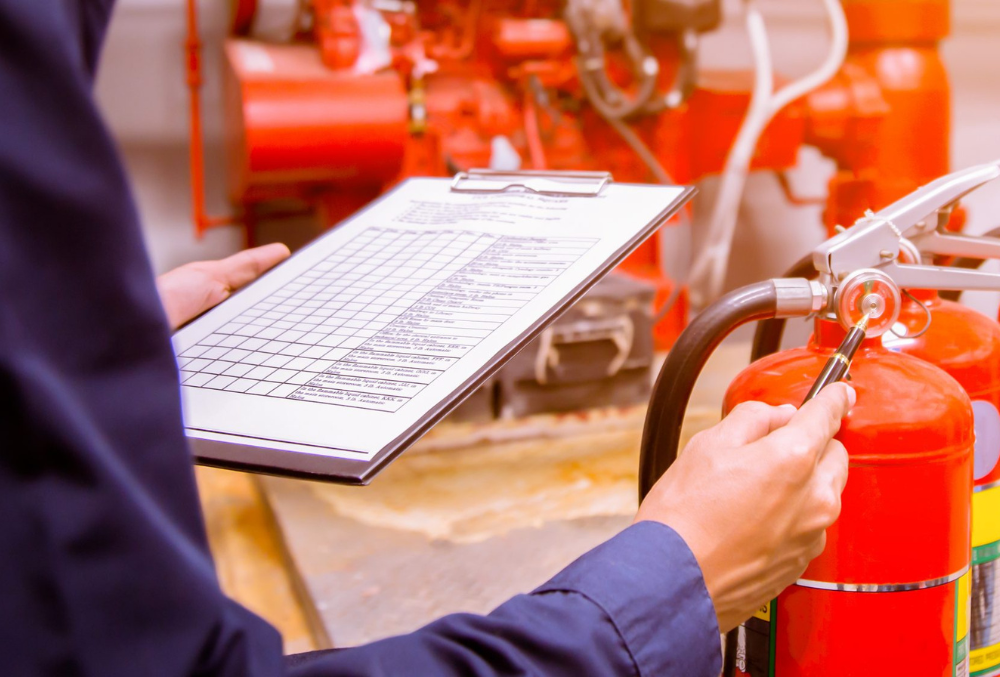
  • Fire risk assessments
  • Fire extinguisher servicing
  • Fire alarm testing and maintenance
  • Smoke and carbon monoxide alarm checks where applicable
  • Clear, marked and accessible escape routes
  • Fire door inspection and maintenance
  • Emergency lighting servicing
  • Fire safety signage
  • Fire safety records and compliance documentation
  • Ongoing review when buildings, tenants or usage change

This is why we started Absolute Property Surveys: to ensure fire safety remains at the heart of your property or facility to protect the lives and safety of those around you.

In this guide, we will share essential information that every property manager needs to know to properly maintain fire safety compliance.

Why fire safety compliance matters for property managers

Fire safety compliance is about more than having the correct equipment in the right place in your property. Instead, it goes much deeper, ensuring that your space and occupants are managed in a way that actively reduces risk and supports safe evacuation if an emergency happens.

The Regulatory Reform (Fire Safety) Order 2005 places clear duties on the responsible person to provide appropriate fire safety measures. This includes ensuring premises are equipped with appropriate fire-fighting equipment and with fire detectors and alarms where necessary, and reiterates that all fire escape routes should remain clear at all times

But what does this mean for property managers tasked with fire safety compliance?

For a property manager, this can involve coordinating multiple areas of compliance at once. A fire risk assessment may identify an issue with escape routes, emergency lighting, signage, fire doors, alarm coverage, extinguishers or staff procedures. Each item then needs action, evidence and follow-up.

Fire risk assessments for property managers

A fire risk assessment is the foundation of fire safety compliance.

The Regulatory Reform (Fire Safety) Order 2005 states that the ‘Responsible Person’ must organise a Fire Risk Assessment and ensure that it is regularly reviewed to ensure it remains suitable for the property. Although there is no government-mandated review cycle for these reports, industry guidelines define review periods based on property type and use. For example:

  • HMO or rented housing: reviewed at a minimum of every 12 months.
  • Commercial property: On average, to be reviewed every 3 years.
  • Multi-story residential flats or residential high-rises: Due to the volume of dwellings, they are typically surveyed every 12-24 months, and new FRAs are recommended every 3-4 years.
  • High-Risk/Licensed Premises: Properties that are deemed as ‘high risk’, such as care facilities with vulnerable occupants, large event venues, or industrial properties with hazardous materials

When the Fire Risk Assessment is carried out, it should consider hazards, people at risk, measures to remove or reduce risk, emergency plans and regular review. For property managers, this is especially important when:

  • A building has multiple tenants
  • A property has shared or common areas
  • The layout or use of the building has changed
  • Refurbishment or maintenance work has taken place
  • New fire safety equipment has been installed
  • There has been a change in occupancy or resident needs

Fire extinguishers and fire-fighting equipment

Property managers need to be aware that their fire safety responsibilities expand far beyond ensuring fire risk assessments and the appropriate records are kept up to date.

For most managed properties, there is also stringent guidance on what equipment should be available to reduce the dangers and impact of fire.

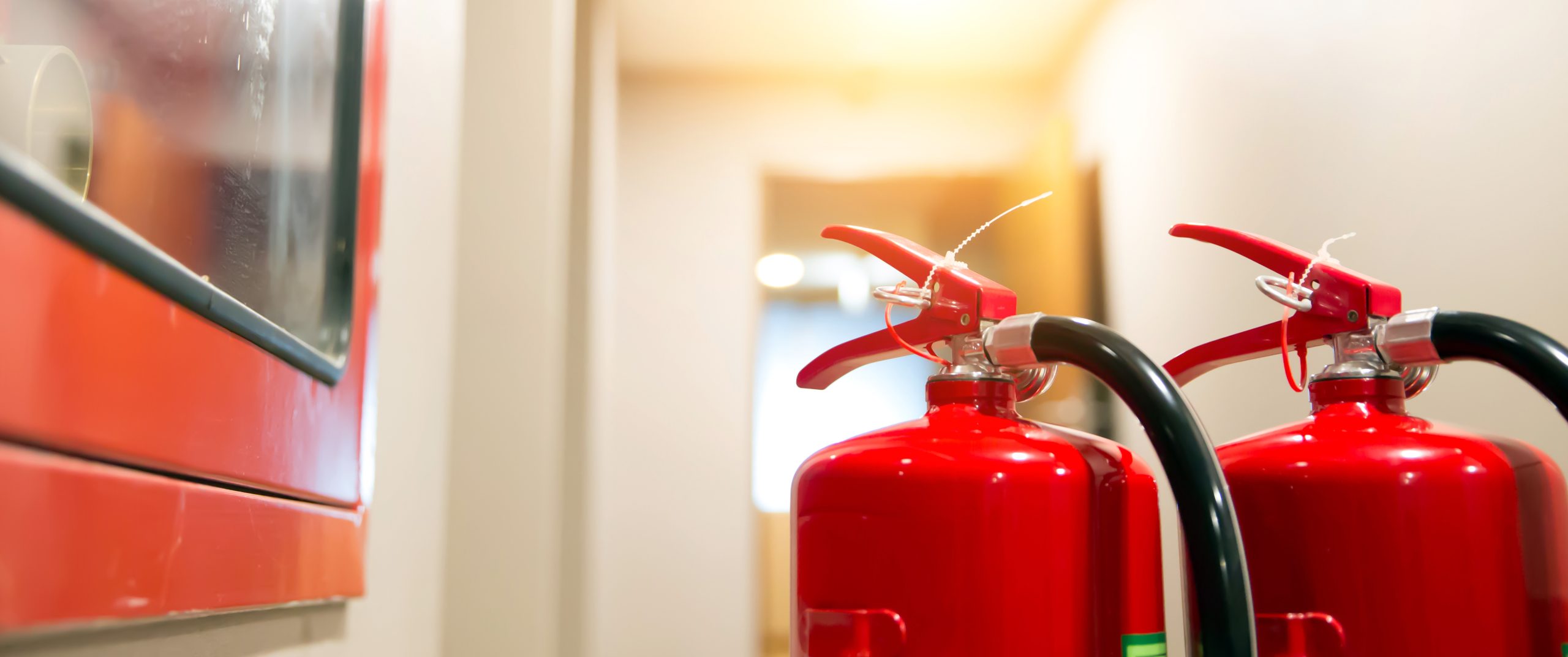
For example, fire extinguishers, blankets and other fire-fighting equipment need to be suitable for the building, accessible, clearly signed and properly maintained.

For industrial and commercial property managers, the appropriate extinguishers should be selected based on the type of fire risk present. For example, different areas may require different extinguisher types depending on electrical equipment, flammable materials, kitchens, plant rooms or general combustible materials.

Absolute Property Surveys are certified and trusted experts in fire safety, offering fire risk assessments, strategy reports, fire alarm systems and other equipment to save lives and ensure regulatory compliance.

If you are a property manager overseeing fire safety in a commercial, industrial or residential property, our team is standing by to provide comprehensive fire services.

Get in touch with us today for a free quote

Fire doors for property managers

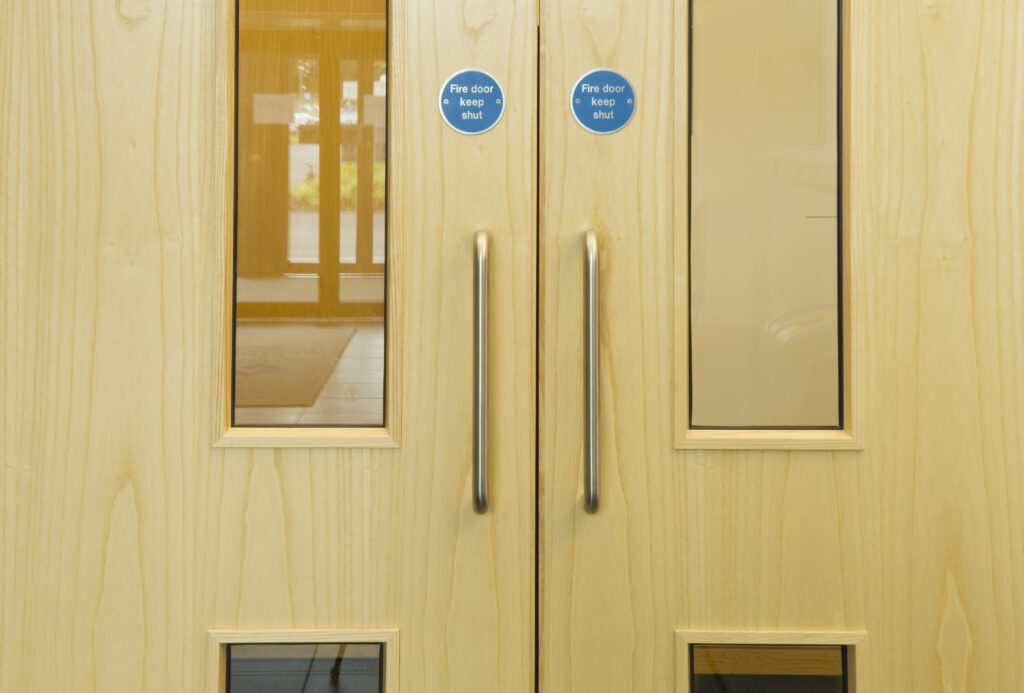
Fire doors are a critical part of a building’s fire safety strategy. They help slow the spread of fire and smoke, protect escape routes and support safe evacuation.

Government fire door guidance says that “fire doors need to be kept in good working order and in good repair”.

For residential blocks, the Fire Safety Act 2021 clarified that the Fire Safety Order applies to the structure, external walls and individual flat entrance doors between domestic premises and common parts.

For multi-occupied residential buildings that are over 11 metres in height, property managers must undertake quarterly checks on all communal fire doors and annual checks on flat entrance doors.

However, it is important to remember that, where those specific height restrictions aren’t met, fire doors should still be considered as a life-saving measure as part of the existing Fire Risk Assessment.

If you are unsure about your property’s requirement for fire door installation or maintenance, reach out to Absolute Property Surveys for professional advice and service.

Fire, Smoke and carbon monoxide alarms

For rented homes in England, guidance states that landlords and/or property managers must ensure at least one smoke alarm is installed on each storey which is used as living accommodation, and a carbon monoxide alarm is installed in any room containing a fixed combustion appliance, excluding gas cookers.

These alarm provisions, testing records and repair processes should be clearly managed by property managers using professional and certified services to ensure reliable fire safety precautions

Emergency lighting and escape routes

Regardless of what type of property is being managed, escape routes are an important factor in fire safety preparations, as these routes must provide a visible and usable path in an emergency. This includes keeping corridors, stairwells and exits clear, making sure signage is suitable, and ensuring emergency lighting works if normal lighting fails.

The Fire Safety Order 2005 states that emergency routes and exits requiring illumination must have emergency lighting of adequate intensity if normal lighting fails.

For property managers, regular emergency lighting servicing is a key part of compliance management. A failed light, blocked corridor or unclear exit route can create serious issues during an emergency.

How Absolute Property Surveys is supporting fire safety for property managers

Fire safety compliance can quickly become difficult to manage, particularly when you are responsible for multiple properties, mixed-use buildings or shared commercial spaces.

Absolute Property Surveys supports property managers, facilities managers and landlords with practical fire safety services designed to help keep buildings safe, compliant and properly documented.

If you are unsure whether your property’s fire safety measures are up to date, or you need support managing compliance across your buildings, speak to Absolute Property Surveys today.

Speak to a fire safety consultant

Understanding Fire Door Maintenance & Inspections

Understanding Fire Door Maintenance & Inspections

Fire Doors are an essential element of fire safety in various types of buildings and facilities. Not only are they legally required in many settings, but they are also vital in creating an engineered barrier that can protect occupants from heightened risks and delay widespread property damage.

Absolute Property Surveys offer a comprehensive range of fire door services, including:

  • Installation
  • Maintenance
  • Testing & Servicing
  • Inspections

If you manage or own a property with installed fire doors, arranging your fire door inspection appointment before you do could save you time, stress, and money by helping you understand how fire doors should be maintained and how to pass your inspection.

The Fire Safety (England) Regulations 2022 require all fire doors to be kept in good working order. This means that fire doors should be kept in a condition where no defects are materially undermining the ability of the doors to adequately prevent the spread of smoke and fire within the property.

On a day-to-day basis, Regulation 10 requires that residents be given information that:

  • fire doors should be kept shut when not in use;
  • residents or their guests should not tamper with self-closing devices;
  • residents should report any fault or damage immediately to the Responsible Person.

Who is responsible for fire door maintenance?

In England, fire door maintenance is the responsibility of the ‘Responsible Person’. In most buildings, this is usually the building owner, landlord, employer, managing agent, facilities manager, or anyone with control over the premises.

Under the Regulatory Reform (Fire Safety) Order 2005, the ‘Responsible Person’ must make sure fire doors are kept in good working order and remain suitable for protecting people in the event of a fire. This will include arranging regular checks, dealing with faults, keeping records, and ensuring any repairs are completed properly and by a certified professional.

For residential buildings in England with two or more domestic premises and common areas, the Fire Safety (England) Regulations 2022 also place specific duties on the ‘Responsible Person’.

At Absolute Property Surveys, we provide fire door installation, maintenance and inspections for residential, commercial and industrial properties.

England fire door maintenance regulations

In England, fire door maintenance is covered by the Regulatory Reform (Fire Safety) Order 2005 and, for relevant residential buildings, the Fire Safety (England) Regulations 2022.

For blocks of flats over 11 meters in height, the ‘Responsible Person’ must use best endeavors to check flat entrance fire doors at least every 12 months and carry out checks of communal fire doors every 3 months. Government guidance confirms these duties apply to ‘Responsible Persons’, including building owners and managing agents.

These checks are designed to make sure fire doors continue to perform as intended. A damaged, poorly fitted, or incorrectly maintained fire door may not hold back fire and smoke, which can put residents, staff, visitors, and the wider building at risk.

Absolute Property Surveys can support you with clear, practical fire door inspections to help you understand the condition of your doors, identify issues, and take the right next steps.

What does a fire door inspection check?

A fire door inspection checks whether the full door set is in a suitable condition and able to perform its role in a fire. This is not just about the door itself. It includes the frame, seals, gaps, ironmongery, glazing, signage, and closing mechanisms.

A typical fire door inspection will check:

  • Whether the door closes fully and securely
  • The condition of the door leaf and frame
  • Gaps around the door
  • Intumescent and smoke seals
  • Hinges, handles, locks, latches, and other metal work
  • Self-closing devices
  • Fire-rated glazing and vision panels
  • Fire door signage
  • Damage, warping, holes, or unauthorised alterations
  • Whether the door is being obstructed or wedged open

Absolute Property Surveys provides professional fire door inspections, surveys, maintenance guidance and installation support to help residential and commercial property owners understand their responsibilities and maintain safer, compliant buildings.

Home » Insights

Fire door maintenance and inspections with Absolute Property Surveys

Here at Absolute Property Surveys, we understand that fire doors save lives. This is why it is so important that they are properly installed, maintained and routinely inspected to protect your property and occupants.

Our team of certified professionals ensure that your commercial or residential property is equipped to a high standard with the necessary fire equipment. Absolute Property Surveys can conduct official fire door surveys on buildings, including:

  • Residential blocks of flats
  • Converted HMO homes
  • Student accommodation
  • Commercial buildings (e.g. offices, factories and warehouses)
  • Sheltered housing and care homes
  • Hospitals, schools, and universities
  • Hotels and guest houses
  • Retail properties

Following the inspection, we provide a clear report with photographic evidence, condition grading, identified defects, recommendations, and guidance for follow-up action. This gives you a practical record of your fire door condition and helps you take the right steps towards compliance.

We work with clients across England to ensure your property remains safe and compliant with the latest regulations. To book your fire door inspections or maintenance work, contact the Absolute Property Surveys team for your free quote and arrange your services.

Contact Absolute Property Surveys

Call in the Fire Door experts

Fire Safety Requirements for Landlords: What You Need to Know

Fire Safety Requirements for Landlords: What You Need to Know

Following changes to renters’ rights and landlord obligations in the Renters’ Rights Act from May 1st, it is more important than ever that landlords and property managers understand their legal responsibilities around fire safety compliance.

Here at Absolute Property Surveys, we specialise in fire risk and safety services that help protect residential, commercial, and industrial properties while maintaining compliance with landlord fire safety requirements.

What Are Landlords Responsible for in Fire Safety?

In the UK, landlords have a legal responsibility to protect tenants from fire risks. From installing fire alarms in rented properties to maintaining escape routes and ensuring compliance with current regulations, understanding your obligations is essential.

Landlords are expected to take a proactive approach to maintaining safe living environments, particularly when it comes to identifying hazards and demonstrating compliance. This includes ensuring fire alarms in rented properties are correctly installed and maintained, escape routes remain clear, and fire safety measures are regularly reviewed.

According to current government guidance, landlords have several legal duties when it comes to protecting tenants from fire risks, including:

How Absolute Property Surveys Can Help

Absolute Property Surveys helps landlords better understand and meet their fire safety responsibilities across rented properties and HMOs.

Our team provides professional fire risk assessments, fire doors, alarms, fire extinguishers, and other practical guidance to help identify risks and areas requiring attention. We support landlords in taking a proactive approach to compliance and tenant safety. Our services include:

Fire Alarms in Rented Properties

Absolute Property Surveys provides fire alarm installation, maintenance, and testing services across the UK. All work is carried out in line with the relevant British Standards, including BS 5839-1 and BS 5839-6.

Fire & Smoke Alarm Requirements for Landlords

Landlords are legally required to ensure smoke alarms are installed and maintained on every storey of a rented property, alongside carbon monoxide alarms where required.

Landlords must also ensure alarms are tested at the start of every tenancy and that faulty alarms or batteries are replaced promptly.

Fire Doors in Rented Properties & HMOs

Absolute Property Surveys supplies, installs, and maintains fire doors for rented properties and HMOs across the UK to help landlords remain compliant with the Regulatory Reform (Fire Safety) Order 2005.

Fire Door Requirements for Landlords

Landlords of HMO properties are responsible for taking reasonable measures to protect occupants from fire risks. This includes installing and maintaining appropriate FD30 fire doors in bedrooms, kitchens, and other required areas.

Emergency Lighting in Rented Properties & HMOs

Absolute Property Surveys offers emergency lighting installation and maintenance services to help landlords remain compliant. Emergency lighting is an important part of fire safety in many rented properties, particularly HMOs. Landlords and managing agents must ensure escape routes remain illuminated if mains power fails.

Emergency Lighting Requirements for Landlords

Emergency lighting requirements depend on:

  • Property size and layout
  • Number of tenants
  • Whether the property is an HMO
  • Findings of the fire risk assessment

HMOs, blocks of flats, and larger shared properties commonly require emergency lighting in communal escape routes.

Residential Fire Risk Assessments

Absolute Property Surveys works with certified fire safety professionals across the UK to help landlords and property managers remain compliant with detailed fire risk assessments. A fire risk assessment is an inspection carried out to identify fire hazards, people at risk, and recommendations to improve safety where necessary.

Fire Risk Assessment Requirements for Landlords

Under the Regulatory Reform (Fire Safety) Order 2005, landlords of properties with communal areas are legally required to carry out a fire risk assessment. This commonly applies to:

  • HMOs
  • Blocks of flats
  • Converted buildings with shared escape routes
  • Student accommodation
  • Mixed-use residential buildings

PAT Testing / Electrical Equipment Testing for Rental Property

Portable Appliance Testing (PAT Testing), also known as Electrical Equipment Testing, helps landlords ensure electrical appliances supplied within rented properties are safe for tenant use.

Absolute Property Surveys provides professional electrical equipment testing services for landlords, HMOs, offices, and commercial premises.

PAT Testing Requirements for Landlords

While PAT testing is not a legal requirement in every rental property, landlords do have a legal duty to ensure all supplied electrical equipment is safe throughout the tenancy.

Need Support Understanding Your Fire Safety Obligations?

Keeping up with landlord fire safety requirements can be challenging, especially as regulations continue to evolve. Absolute Property Surveys helps landlords identify risks, improve safety standards, and maintain compliance across rented properties. Get in touch today for your free service quote.

Contact Absolute property surveys

Book Your Residential Fire Services

Absolute Property Surveys Achieves PQS Health & Safety Approved Status


pqs certificationAt Absolute Property Surveys, health and safety is not something we dip in and out of; it is part of how we work every day. Whether we are on site, carrying out surveys, or supporting clients with compliance, doing things properly matters.


That is why we are pleased to share that our team has achieved PQS Health & Safety Approved status in 2026!

What does PQS Health & Safety Approved Status mean?

This isn’t just a badge to add to the website. It recognises the systems, training, and processes we have in place to ensure work is carried out safely and responsibly.

Behind the scenes, it reflects the effort our team puts into:

  • Keep procedures clear, practical and up to date
  • Stay on top of changing regulations
  • Approach every site with the same level of care and attention

Why it matters for our clients

For our clients, it gives an extra level of reassurance.

When we are working in your property, you want to know that everything is being handled professionally, safely and with the right level of detail. This approval helps reinforce that trust.

It also supports what we are already known for, straightforward advice, clear reporting and a team that takes responsibility for the work they do.

Moving forward at Absolute Property Surveys

We see this as a positive step, not a finish line. Standards change, and so do we. We will continue to review what we do and look for ways to improve, so our clients always get a service they can rely on.

If you need support with surveys or compliance, our team is always happy to help. Contact our team for a free quote today!

Read more about Absolute Property Surveys here.

Contact us

Get in Touch

Legionella Risk Assessment: A Complete Guide

Legionella Risk Assessment: A Complete Guide

If you own, manage, or rent out a property, it is important to feel confident in understanding what a Legionella risk assessment is, when it is needed, and how to take action to avoid water contamination. For property managers of any kind, Legionella risk assessments are not only a legal requirement but also play a vital role in safeguarding the health and safety of anyone using the water systems within your building.

If you are looking for a professional service to handle your Legionella risk assessments, Absolute Property Surveys works with a team of experienced professionals across the UK to provide comprehensive assessment reports for your property. Why not get a free quote today?

What is a Legionella Risk Assessment?

Before we dive in, let’s clearly define what a Legionella risk assessment is. Legionella is a type of bacteria that can develop in water systems such as tanks, pipes, showers, and taps. If inhaled through small droplets of contaminated water, it can lead to Legionnaires’ disease, a serious form of pneumonia. A Legionella risk assessment is a detailed inspection of a property’s water systems to identify potential risks of Legionella bacteria growth. The purpose of a Legionella risk assessment is to:

  • Identify potential sources of Legionella bacteria
  • Assess who may be at risk
  • Evaluate the condition and management of water systems
  • Recommend control measures to reduce or eliminate risk

Why are Legionella Risk Assessments Important?

For any occupied property with access to a water system, Legionella risk assessments play a vital role in safeguarding the health and safety of its occupants. Whether it is a rented home managed by a landlord or a busy office building managed by a facilities manager, water systems must be maintained and assessed in line with UK regulations. Without proper monitoring and control, this can pose a significant health risk. A professional assessment ensures that:

  • Risks are identified early.
  • Control measures are implemented.
  • Legal responsibilities are met.

At Absolute Property Surveys, we carry out thorough Legionella risk assessments to help property owners understand their systems and take appropriate action. Beyond the essential health and safety considerations, there are several pieces of UK legislation that make Legionella risk assessments mandatory. These include:

Failure to remain compliant also comes with considerable consequences for the building or business owner, including:

  • Enforcement action by the HSE
  • Prosecution under HSWA (Health & Safety at Work Act) or COSHH (Control of Substances Hazardous to Health Regulations)
  • Significant fines
  • Increased liability following illness or outbreak

What is ACOP L8, and How Does it Apply to Legionella Risks?

ACOP L8 is an Approved Code of Practice published by the UK’s Health and Safety Executive (HSE). Although it is not legally mandated, it provides important guidance on how to comply with legal requirements when managing Legionella risks in your premises. According to ACOP L8, duty holders should:

  • Carry out a Legionella risk assessment
  • Appoint a competent person
  • Implement a written scheme of control
  • Monitor and maintain water systems
  • Keep records and review the assessment regularly

How Often is a Legionella Risk Assessment Required?

A common question is, “How often are Legionella risk assessments required?” For property managers, Legionella risk assessments are typically recommended every two years, with regular reviews to ensure they remain valid. If your Legionella risk assessment is due for review, contact our team today to arrange your free quote or book an appointment. There are also instances where you should consider carrying out an additional Legionella risk assessment, including:

  • When there are changes to the water system
  • If the property use changes
  • If there are concerns about water quality or safety

Ultimately, how often a Legionella risk assessment should be carried out depends on both UK guidance and the specific condition and use of the property.

What Does a Legionella Risk Assessment Involve?

A professional Legionella risk assessment will usually include:

  • A full inspection of the property’s water systems
  • Identification of risk areas, such as dead legs or unused outlets
  • Temperature checks to ensure water is stored safely
  • Assessment of current control measures
  • A detailed report with findings and recommendations

At Absolute Property Surveys, we provide clear, easy-to-understand reports so you know exactly what actions, if any, are needed.

How Absolute Property Surveys Can Help

Our experienced team at Absolute Property Surveys offers comprehensive Legionella risk assessments tailored to your property. Whether you are a landlord, homeowner, or business owner, we can help you stay compliant and protect those who use your building. Contact Absolute Property Surveys today to arrange an assessment and ensure your property remains safe and compliant.

Understanding Your Asbestos Report

Understanding Your Asbestos Report

If you’ve recently had a survey carried out or you’re buying a property, you may have come across an asbestos report and wondered what it actually means. Asbestos is a term used to describe several natural minerals that have been crystallised to form fibres. It is commonly found in two forms, serpentine and amphiboles, which were commonly used in construction before 2000 for insulating boilers, pipes, and buildings.

Despite its common use before 2000, it is highly hazardous and requires appropriate professional management and removal for the safety of all building occupants. Absolute Property Surveys offer both asbestos management and refurbishment & demolition surveys to help you understand and take appropriate action for your property.

Understanding your asbestos report is essential. It not only highlights potential risks within a building but also helps you make informed decisions about safety, maintenance, or renovation work. In this guide, we explain your asbestos report meaning in simple terms and show you how to tell if you have asbestos in your property.

What Is an Asbestos Report?

If your property was built before the year 2000, there is a risk that asbestos has been used through some stage of construction. If owning or managing a commercial or non-domestic property, you are legally required to obtain an asbestos management survey before any construction or renovation work can begin. For residential homes, although it is not legally required, it is highly recommended that a survey be conducted before any construction work begins to ensure the health and safety of all workers and occupants.

So, what is an asbestos report? An asbestos report, the most accurate and safe way to tell if you have asbestos, is a detailed document produced after a professional survey of a property. It identifies whether asbestos-containing materials (ACMs) are present, where they are located, and their condition.

An asbestos report will typically include:

  • The type of survey carried out
  • Locations of suspected or confirmed asbestos
  • The condition of the materials found
  • Risk assessments
  • Recommendations for management or removal

This information is essential for property owners, landlords, and buyers, particularly in buildings constructed before the year 2000.

Asbestos Report Meaning: Reading Your Asbestos Report

At first glance, an asbestos report can feel technical. However, once broken down, it can feel much more manageable and simple to understand. There are a few key areas that you want to look out for to understand your asbestos report meaning, including

1) Material Assessment: This section evaluates the condition of the asbestos-containing material. It considers factors such as:

  • Surface damage
  • Likelihood of fibres being released
  • Type of asbestos present
  • Sore (a higher score here will typically indicate a higher risk from asbestos)

2) Risk Assessment: The risk assessment portion of the report takes into account how the material is used within the building. This is less about the overall presence of harmful materials, and focuses more on the practical risk to occupants, for example:

  • Location – is the area frequently accessed?
  • Traffic – is the material likely to be disturbed?

It is important to consider that even asbestos that is in good condition at the time of the survey can become a risk if it is in a high-traffic area.

3) Recommendations: Next, you should see the recommendations of the surveyor. This section is a brief overview of what action, if any, is advised. It is important that this section is actioned wherever possible to ensure the lowest possible risk to the property occupants. Different actions that could be advised in this report could include:

Leaving the material in place but ensuring it is monitored. If monitoring is suggested, it is best practice to ensure further surveys are scheduled annually. However, it may be recommended that asbestos materials in marginal condition or located in high traffic areas should be monitored more frequently. For example, every 6 months.

Encapsulation to prevent fibre release. If your report recommends encapsulation, this suggests that the material is showing signs of deterioration and/ or is in a frequently accessed area. In these cases, the material must be encapsulated in a protective coating by a professional to prevent the release of fibres.

Safe removal by licensed professionals. If it is recommended that asbestos materials be removed from a property that you own or manage, you mustn’t attempt to remove the materials yourself, as this could cause further harm to yourself and other occupants. Removal will be recommended when the material is found to be damaged, crumbling or releasing fibres into the air. Asbestos removal may also be recommended if any construction work is taking place in the area, which could compromise the material.

Not all asbestos needs to be removed immediately. In many cases, it can be safely managed.

Why Professional Asbestos Surveys Matter

If you suspect asbestos, the safest approach is always to seek professional advice. A qualified surveyor will:

  • Carry out a thorough inspection
  • Take samples safely, if required
  • Provide a clear and accurate report

Trying to identify asbestos yourself can be dangerous and unreliable. Professional testing ensures you get the right information without putting yourself at risk.

At Absolute Property Surveys, we provide clear, straightforward asbestos surveys and reports, helping you understand exactly what you’re dealing with.

Whether you’re buying a property, planning work, or simply want peace of mind, our team is here to help you make informed decisions with confidence.

Get in touch today to arrange a survey or to discuss your report with one of our experienced professionals.